



Skip to content

Your Bag

Your bag is empty


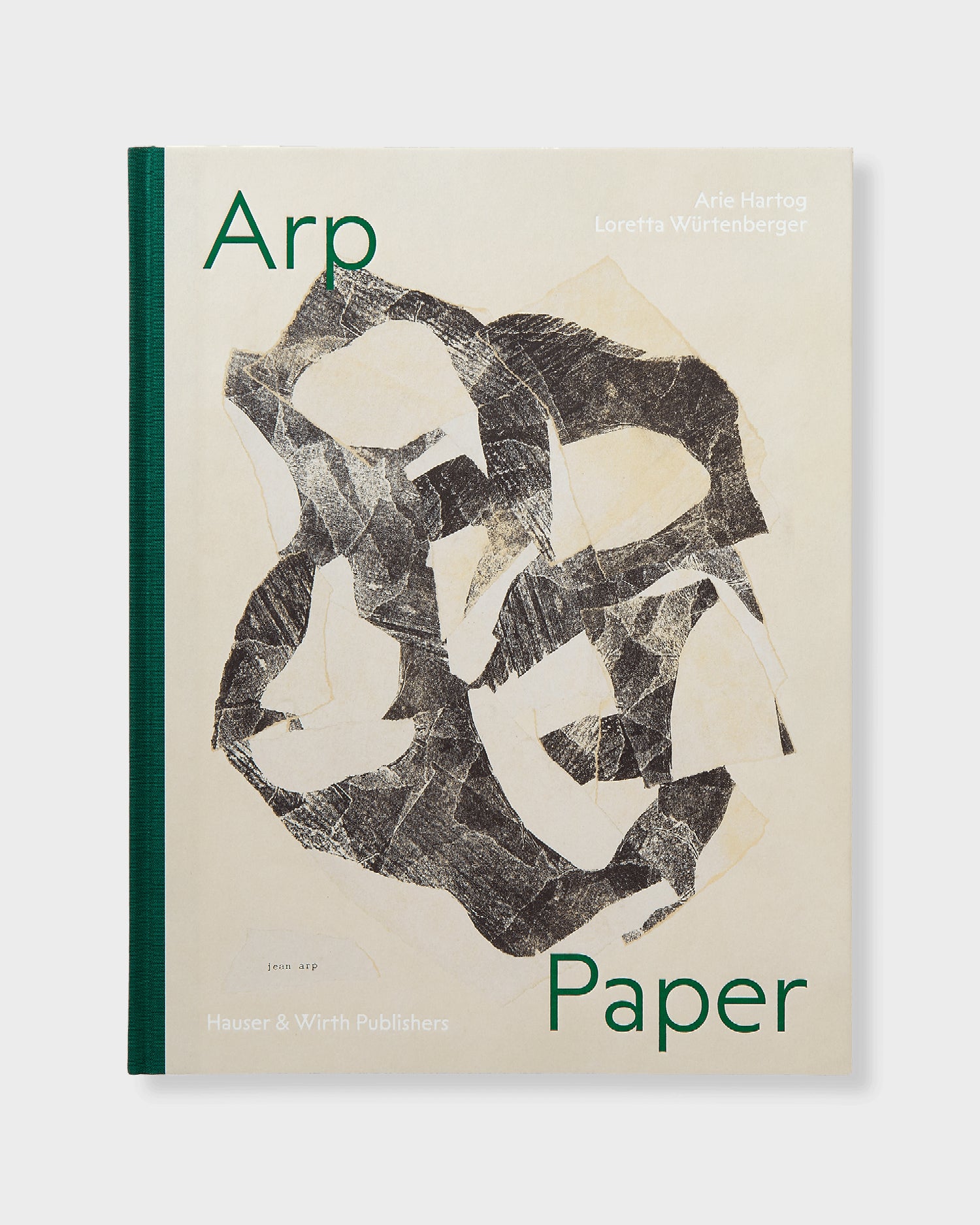
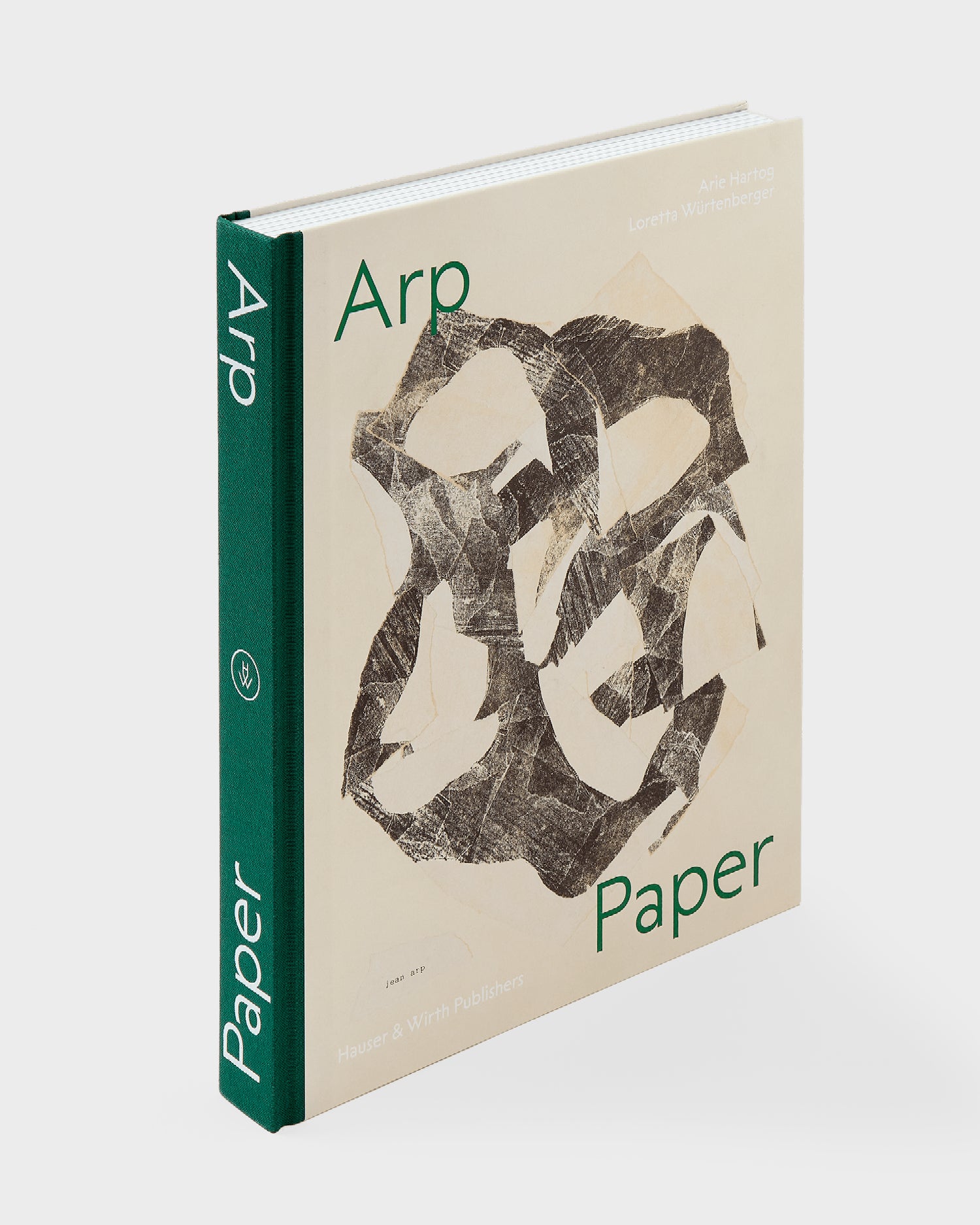
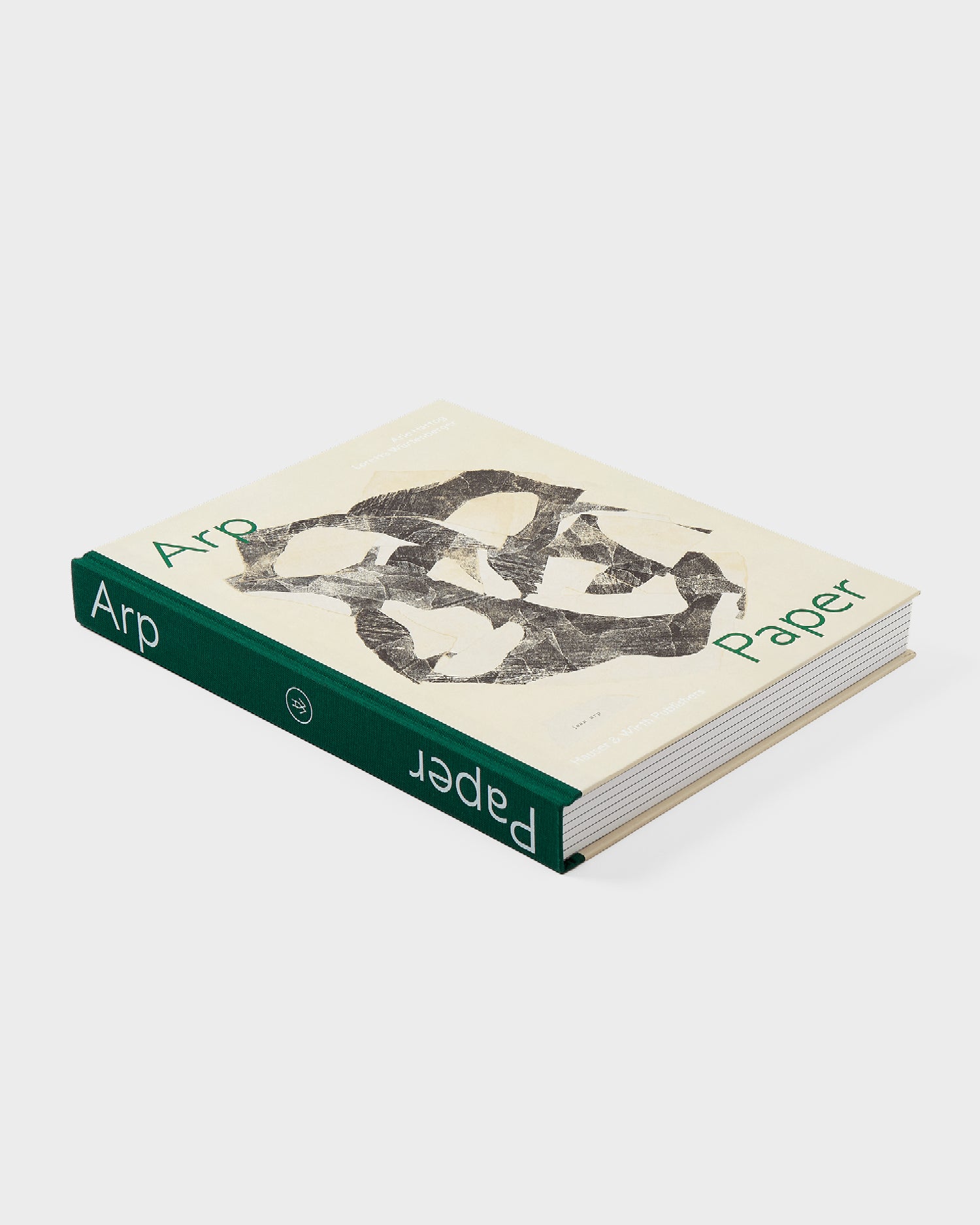
Arp: Paper

Sale price$80.00

Estimated shipping date – mid September


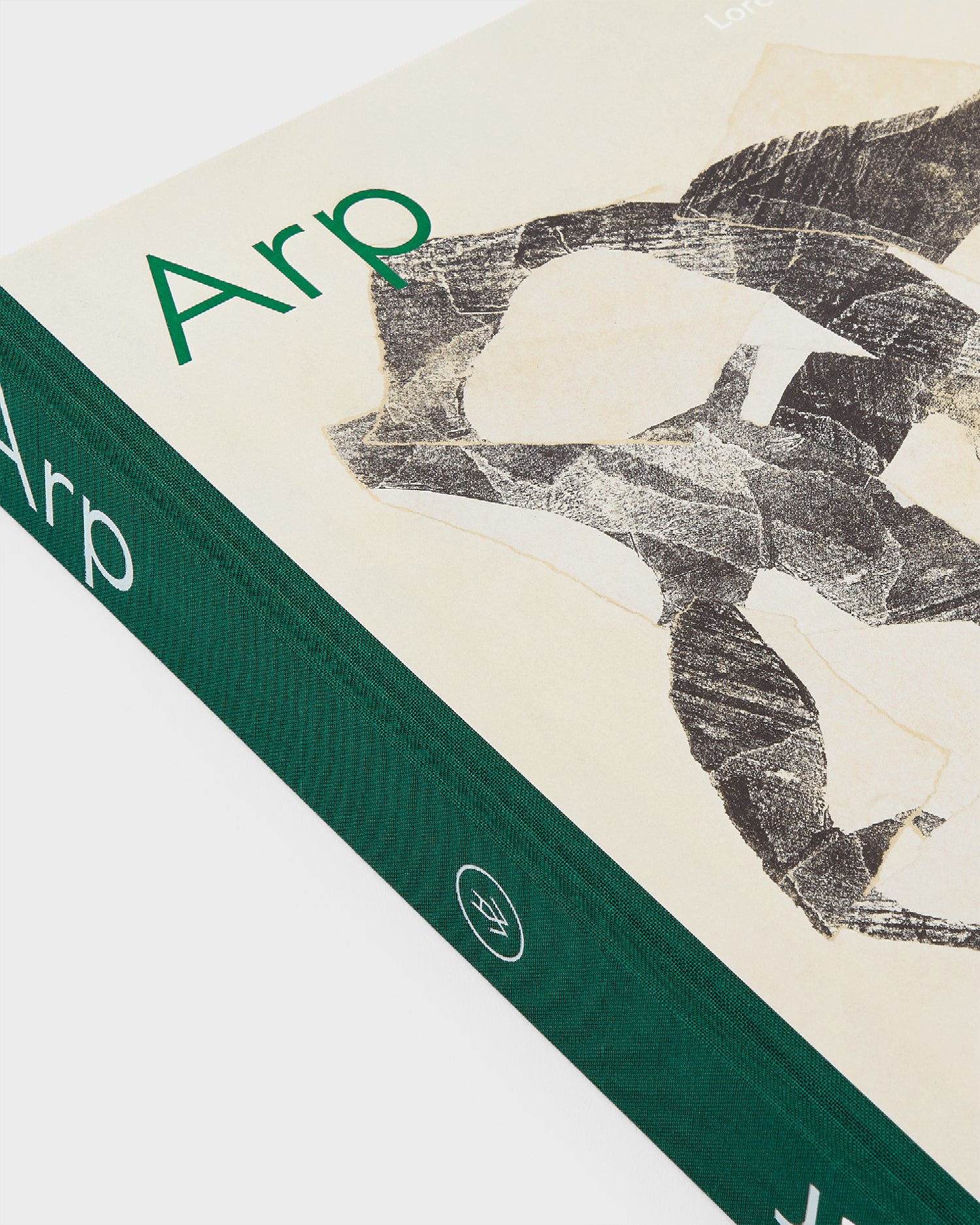
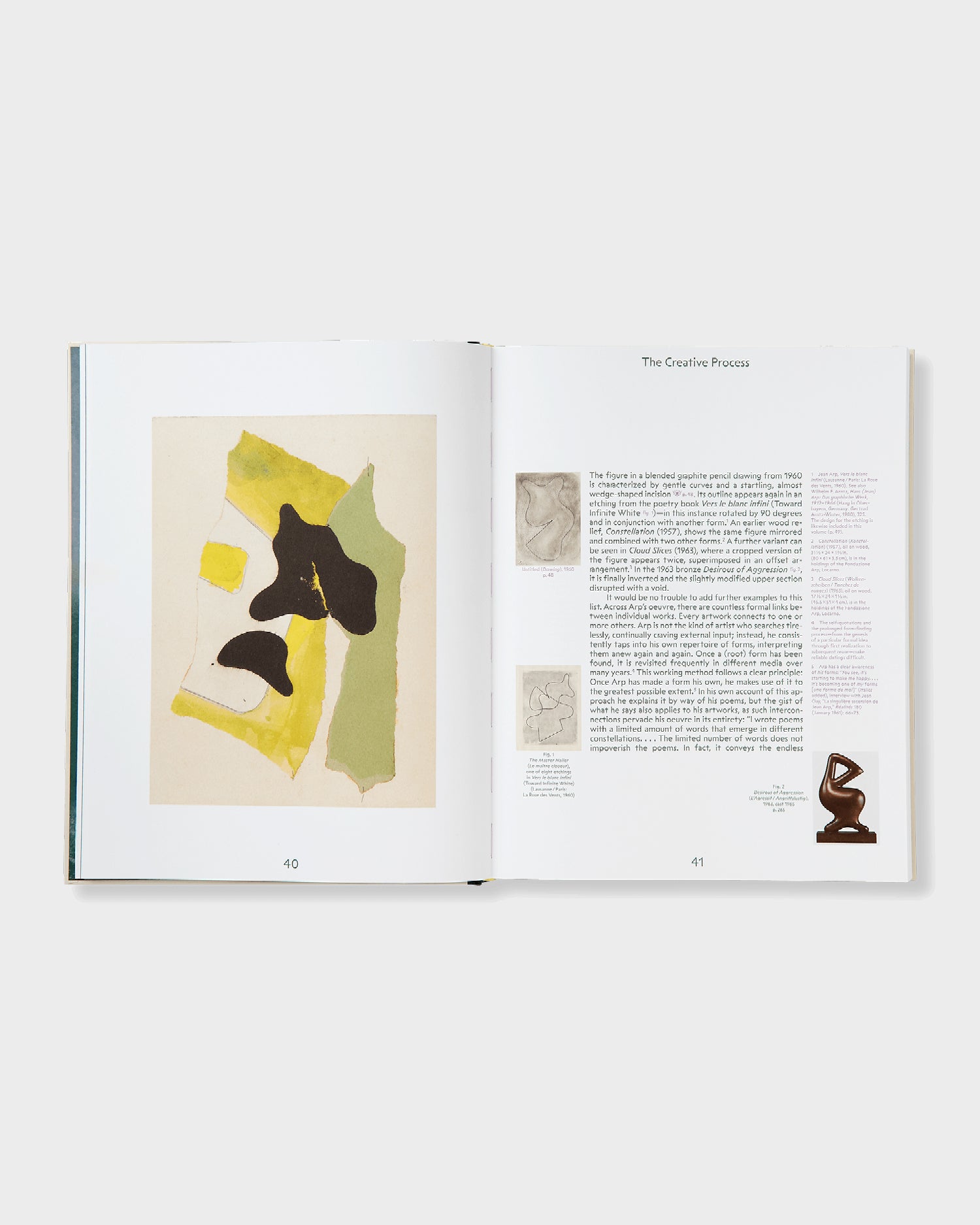
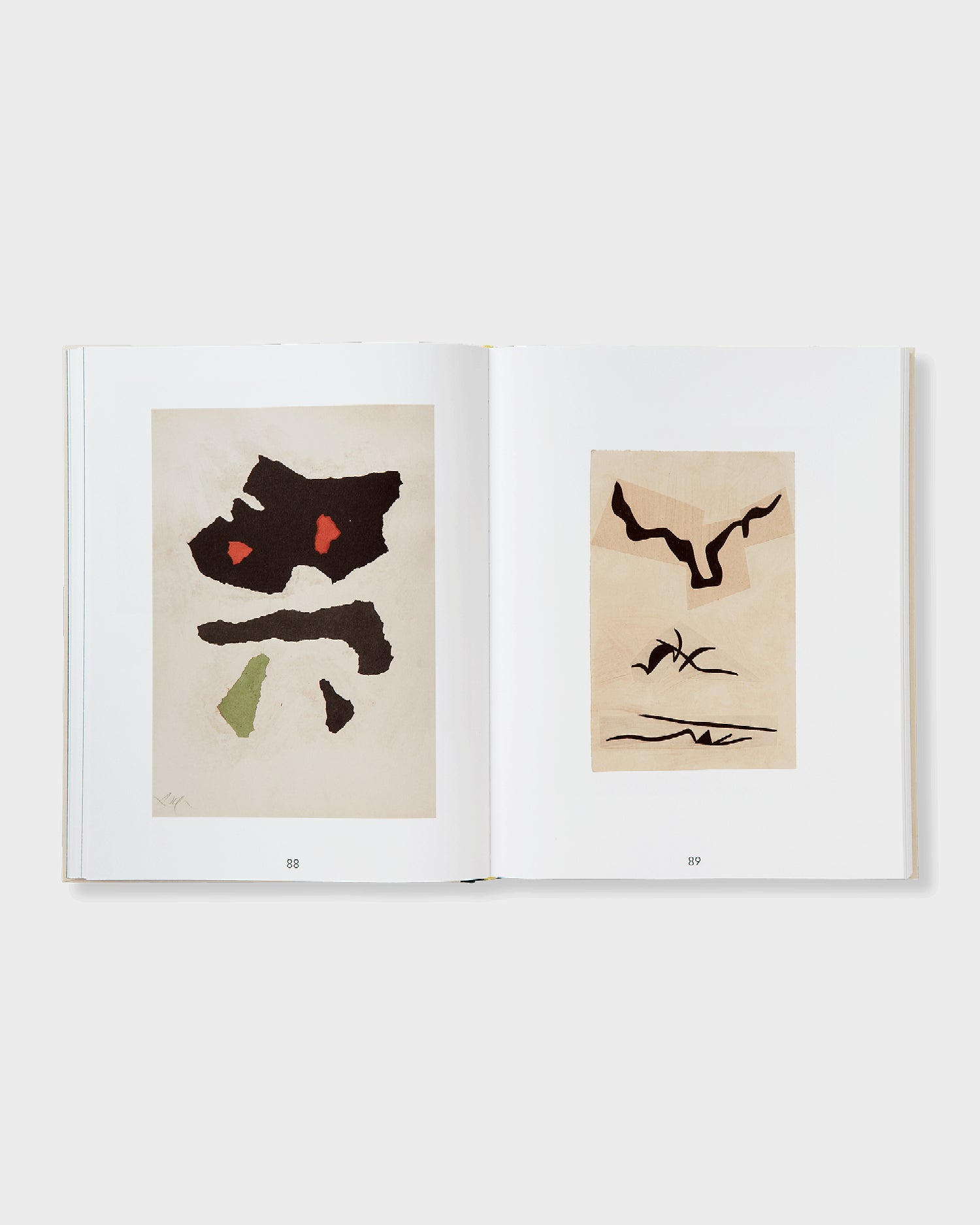
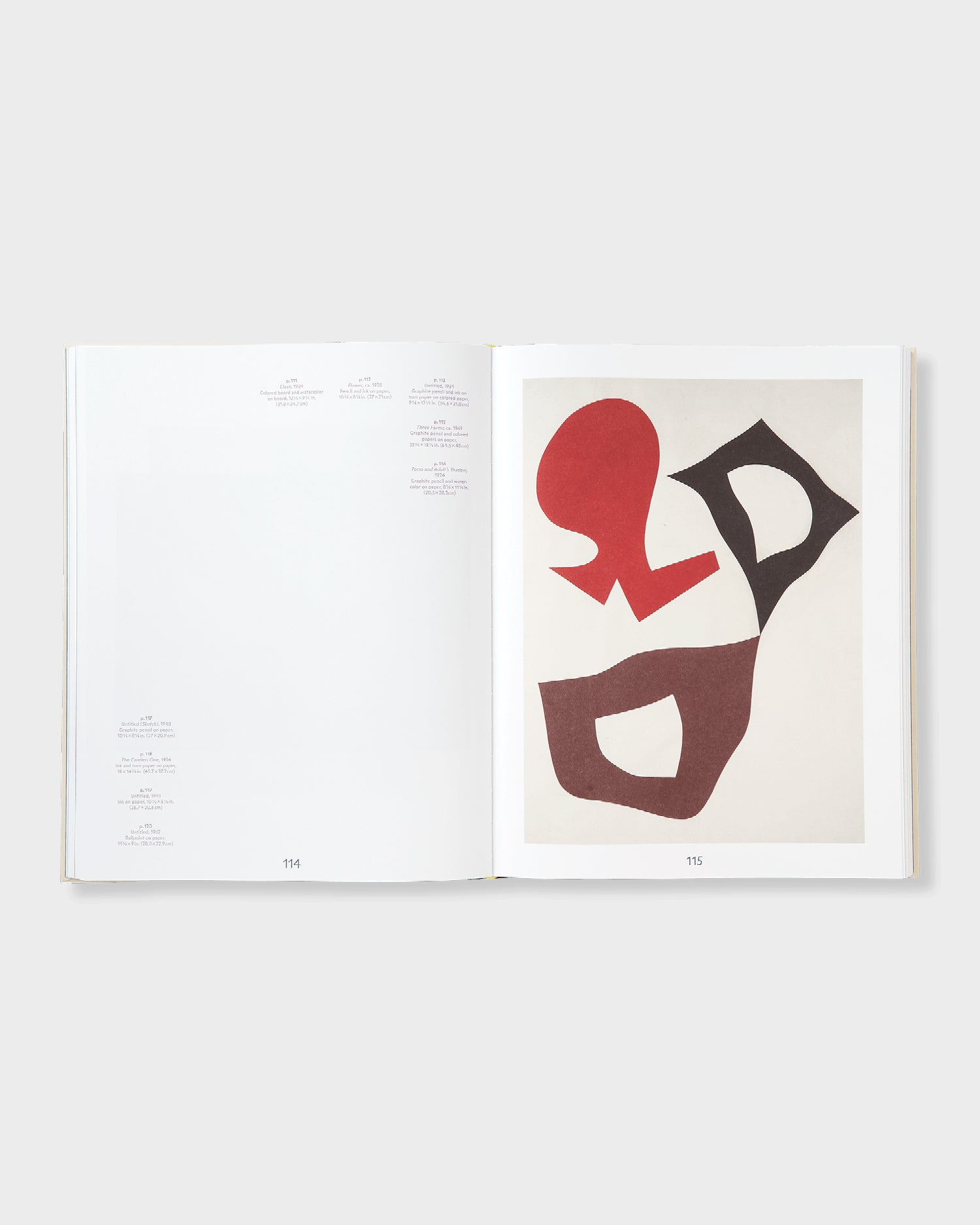
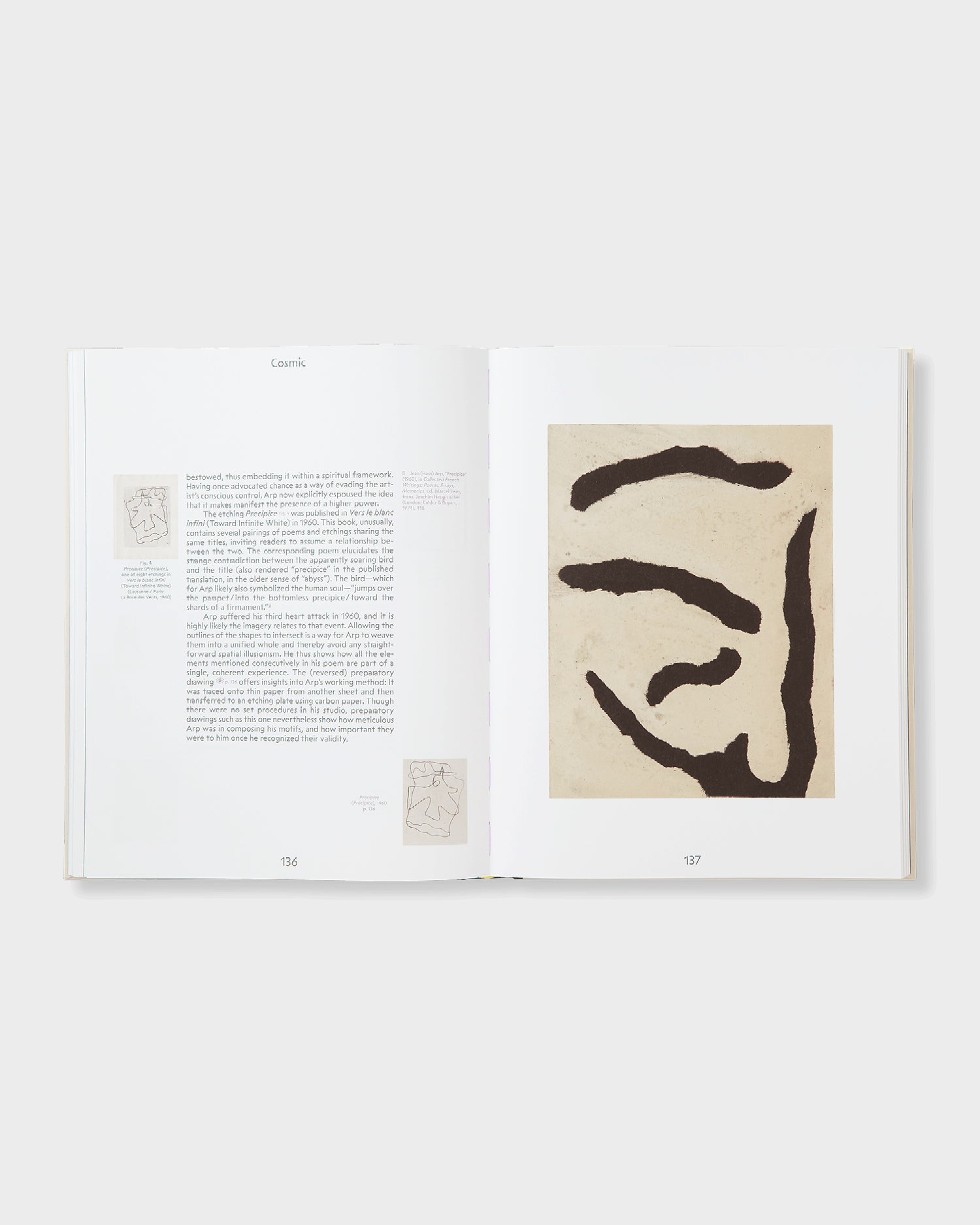
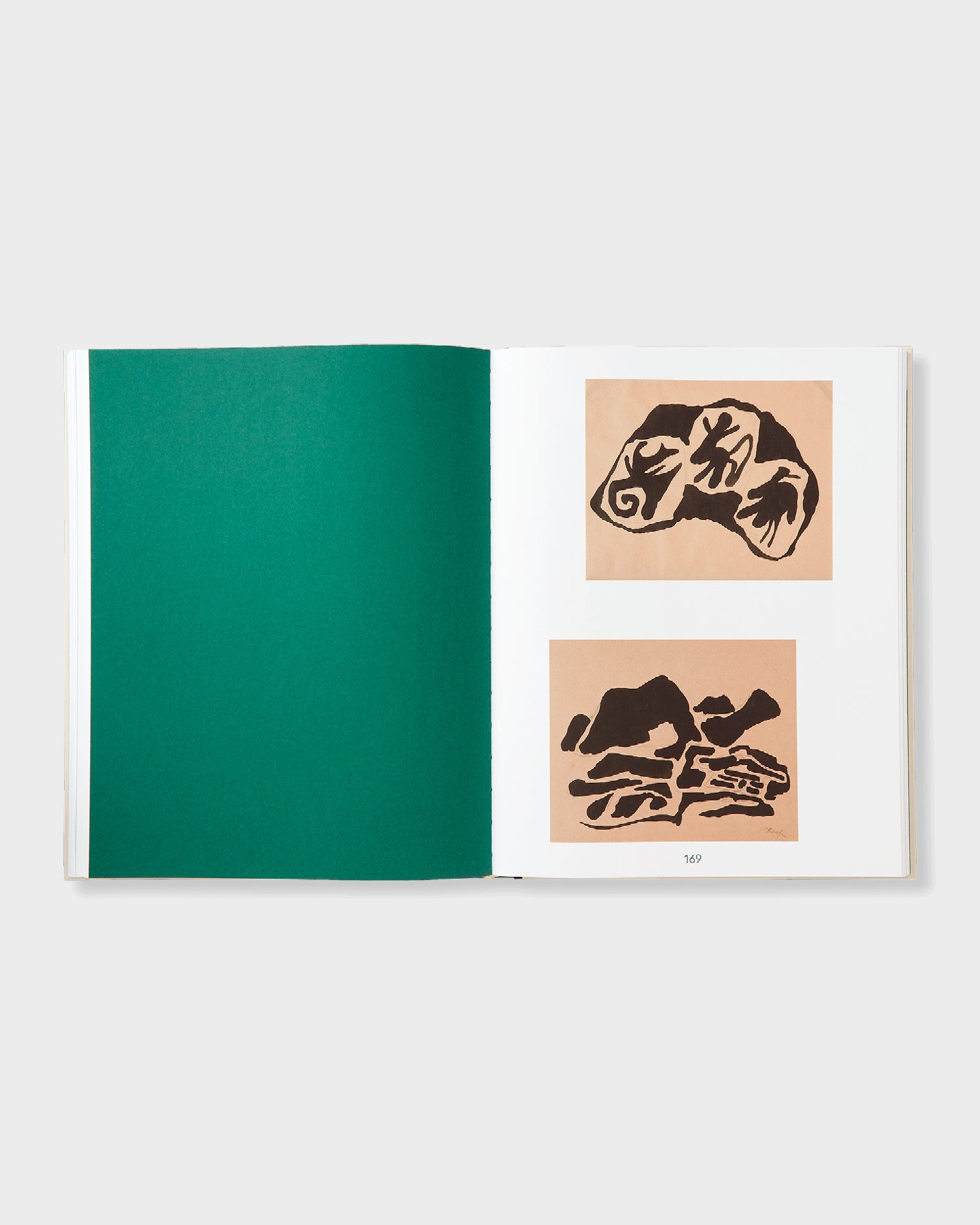
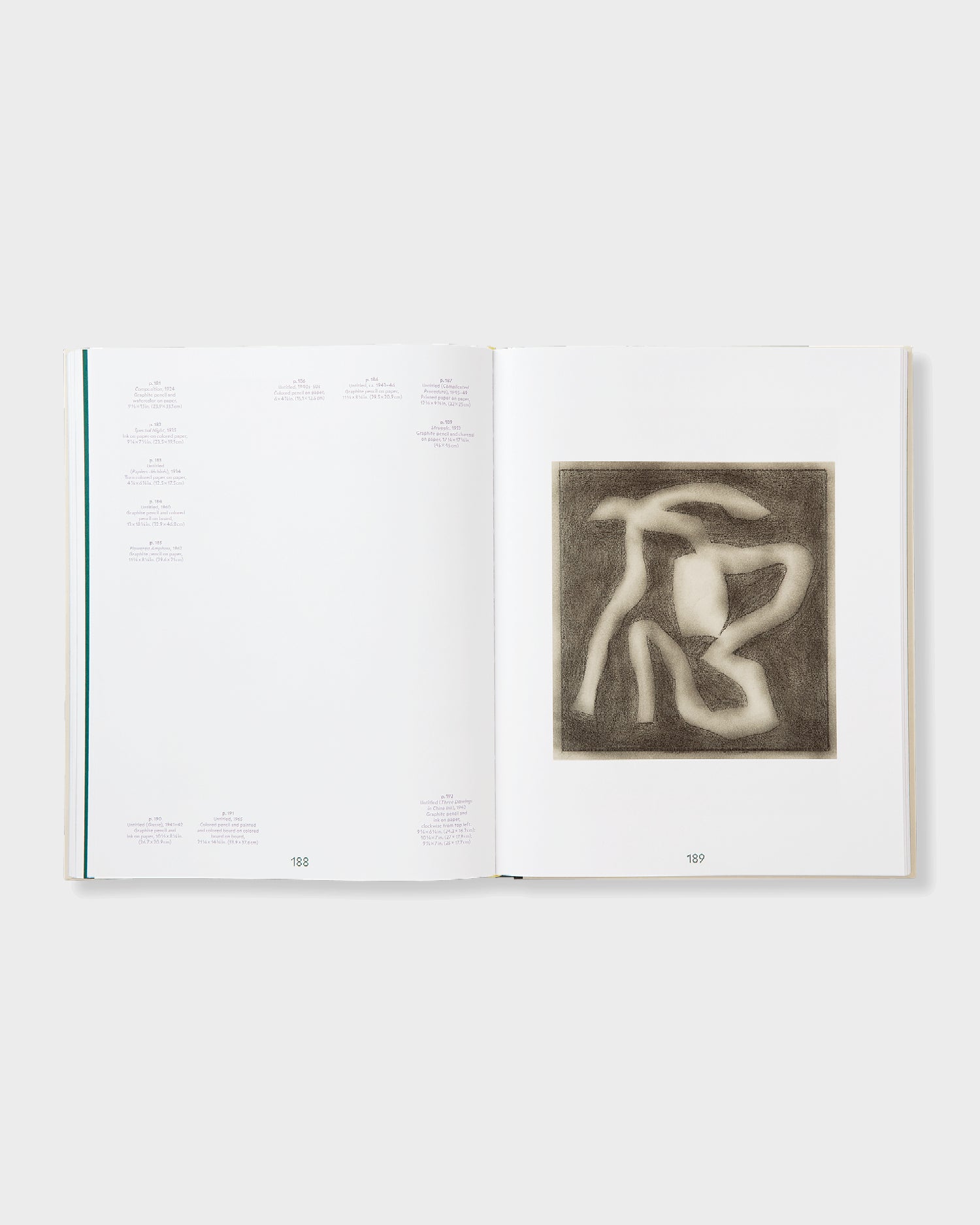
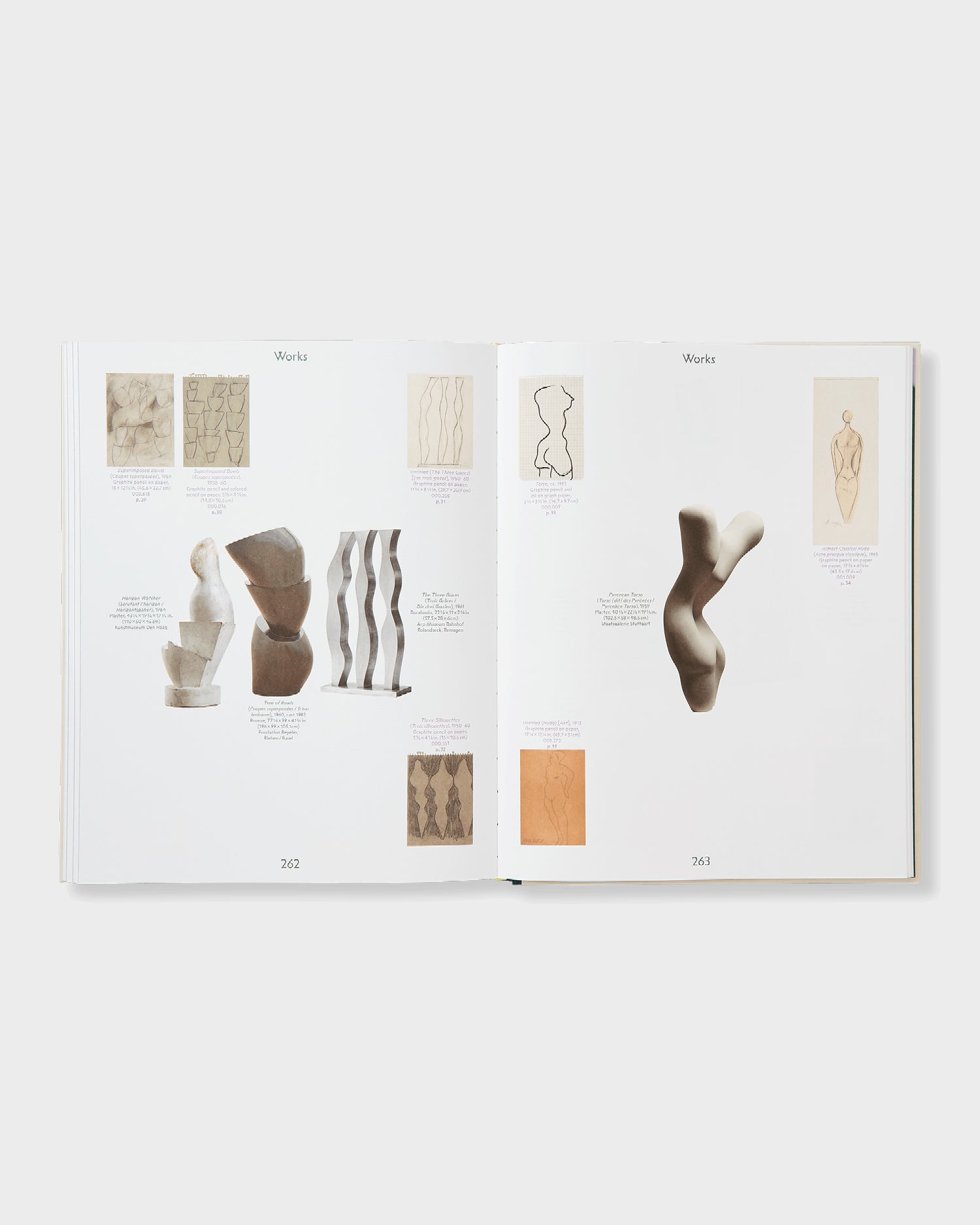
From his early years as part of Zurich Dada until the 1960s, Hans/Jean Arp produced an extraordinary and influential body of work. He is best known for two- and three-dimensional work deploying biomorphic forms that would come to epitomize organic abstraction. This new publication focuses on Arp’s works on paper, as well as his paper collages, providing a comprehensive picture of their role in the artist’s multifaceted output, including as a vehicle for play and as a way of inventing new worlds. Split across five chapters, some two hundred illustrations offer a rich and representative selection of works that have mostly never been reproduced or exhibited publicly before. An intriguing new perspective on the artist’s unique vocabulary of shapes and gestures emerges through the book’s five thematically organized chapters and the texts accompanying them, while an illuminating introduction by Arie Hartog and Loretta Würtenberger unpacks the formal language and artistic resonances of these works, both drawing out their connections to Arp’s iconic sculptural practice and considering his prolific work with and on paper as a fascinating world in itself.

Arp: Paper
Arp: Paper Sale price$80.00

Language

English

Publisher

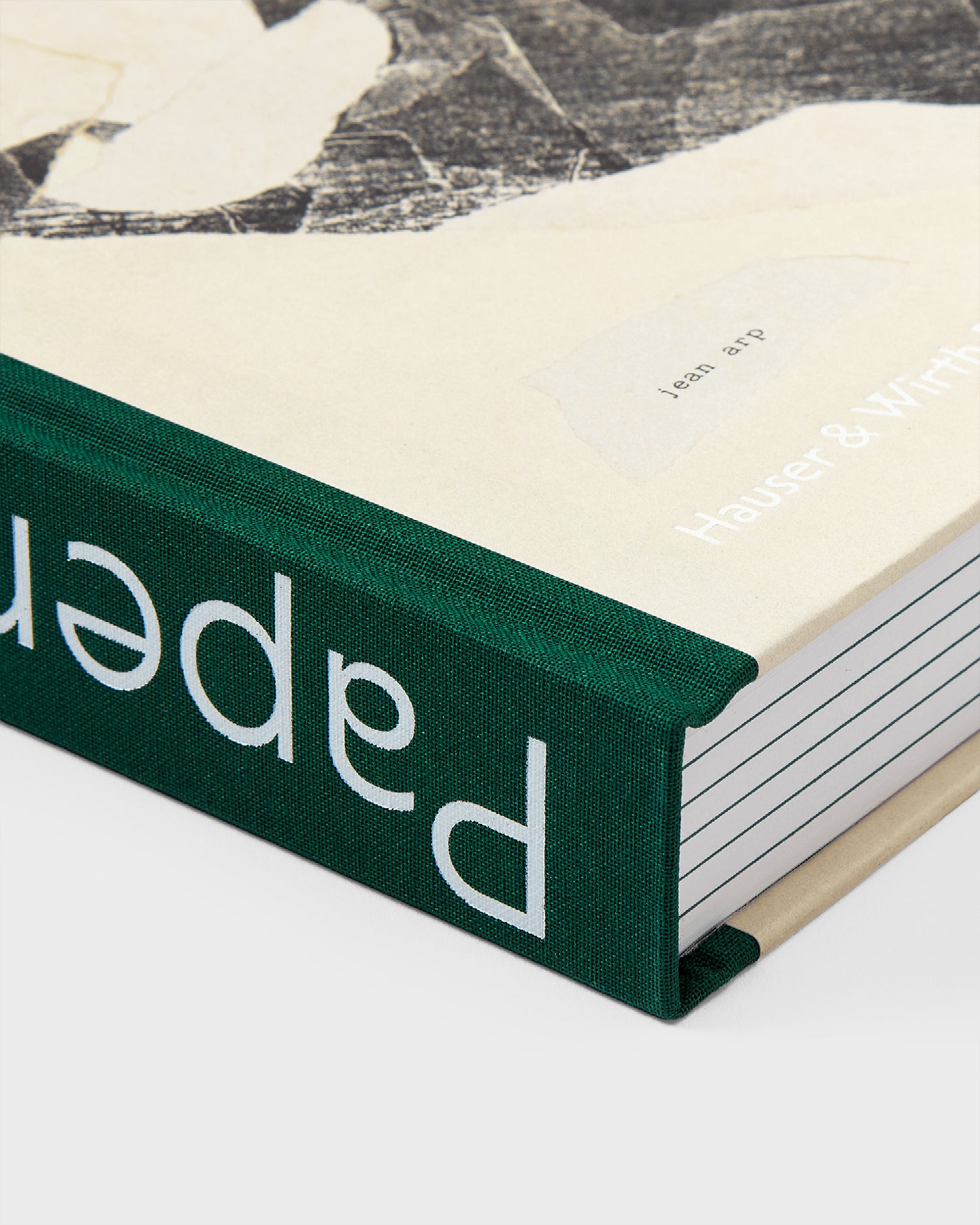
Hauser & Wirth Publishers

Composition

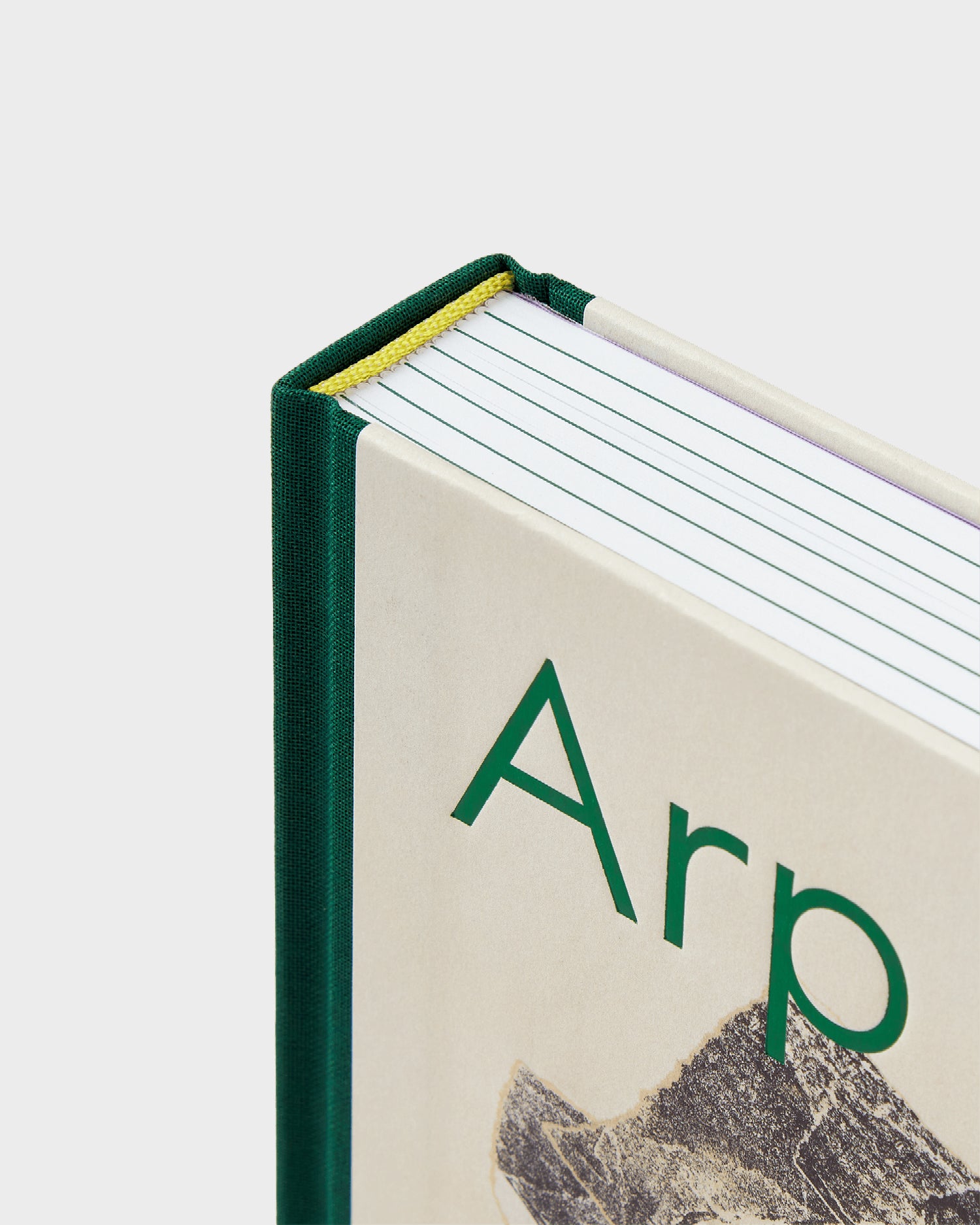
Hardcover

Contributors

Text by Arie Hartog, Loretta Würtenberger, Anna Schrader, Friederike Bolte. Edited by Arie Hartog and Loretta Würtenberger.

Pages

304

Size

31.5 x 24.5 cm

ISBN

9783907493175

Publication Date

Sep-26
The Artist

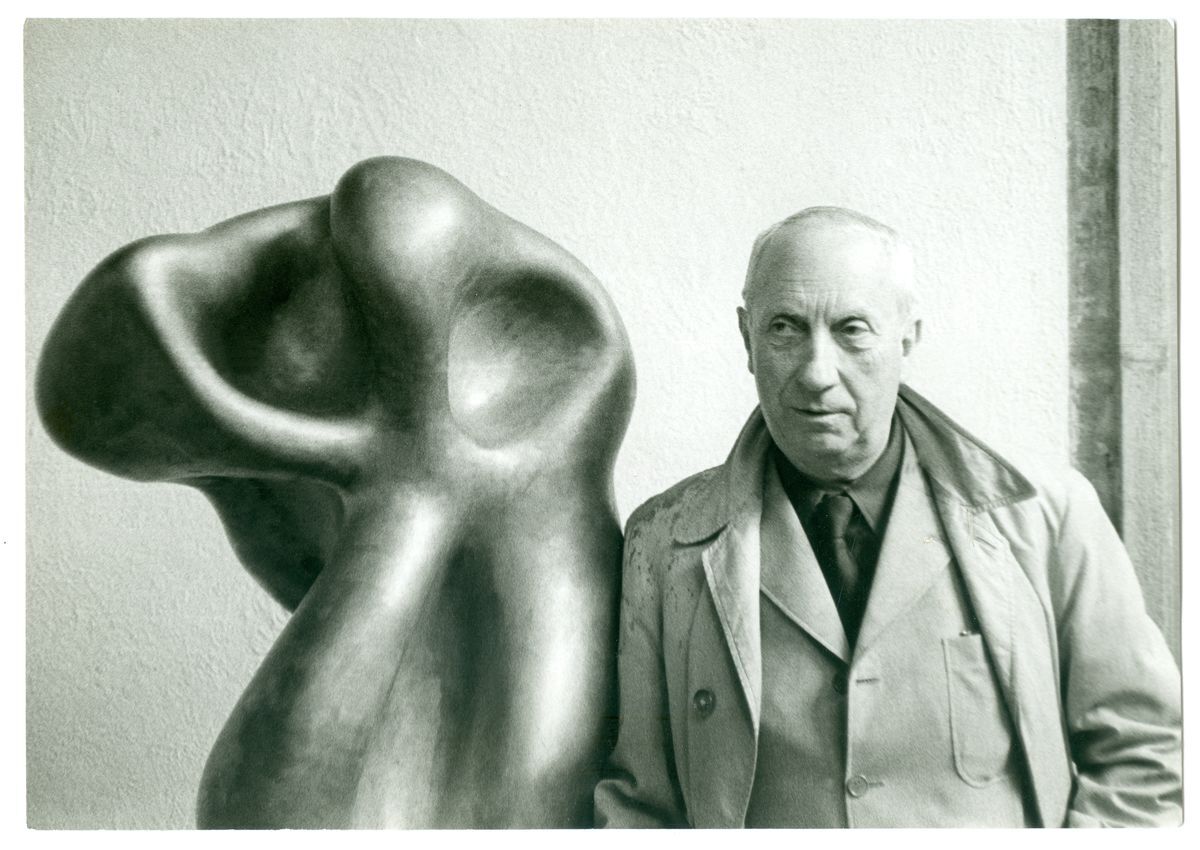
HANS ARP

Hans Arp is a familiar figure of classical Modernism and was a key contributor in the development of Dada and Surrealism in the early twentieth century. Focusing his attention on everyday objects, Arp created his own unique ‘object language’ using a nonsensical vocabulary: plate, fork, knife, clock, tie, moustache, lips, breasts. With a playful hand he juggled the dominant art currents of the early twentieth century, combining seemingly contradictory geometric and organic formal idioms with the artistic ‘-isms’ of his epoch.

LEARN MORE